
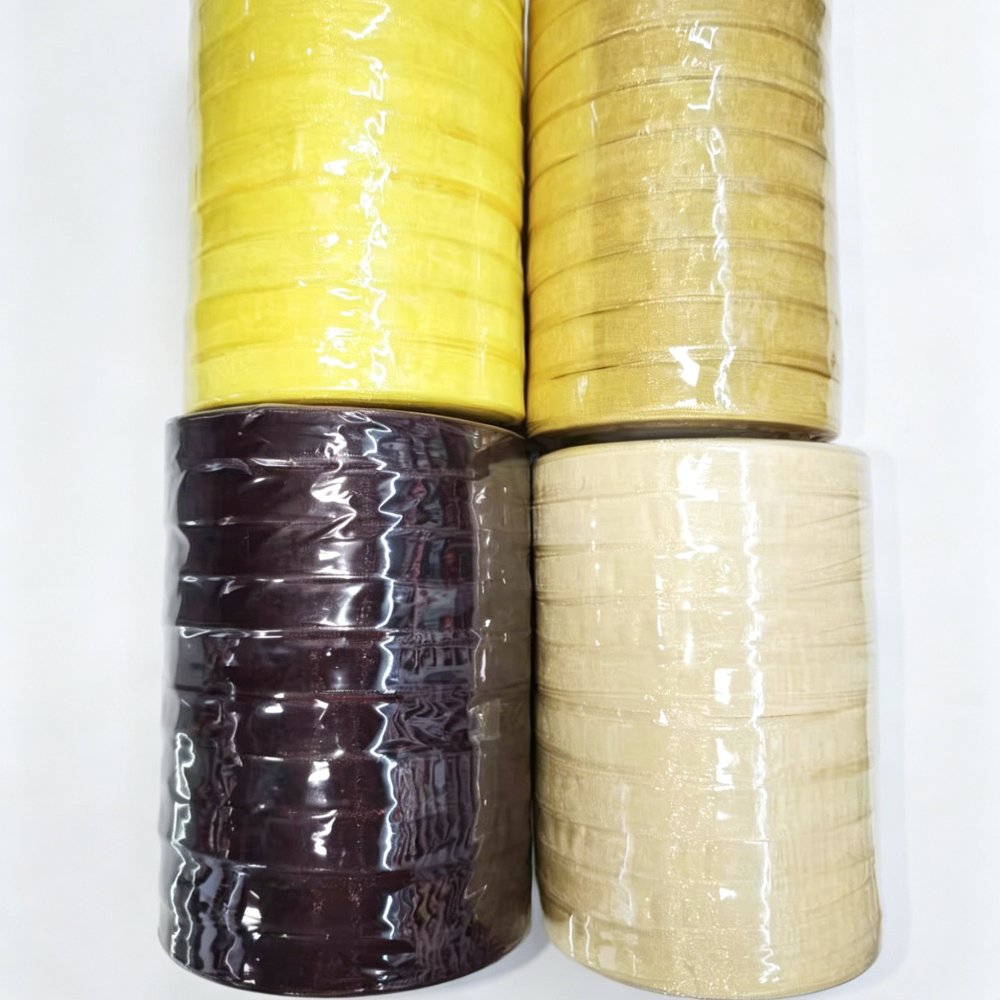
Organza Ribbon: Compare Edge Sample References
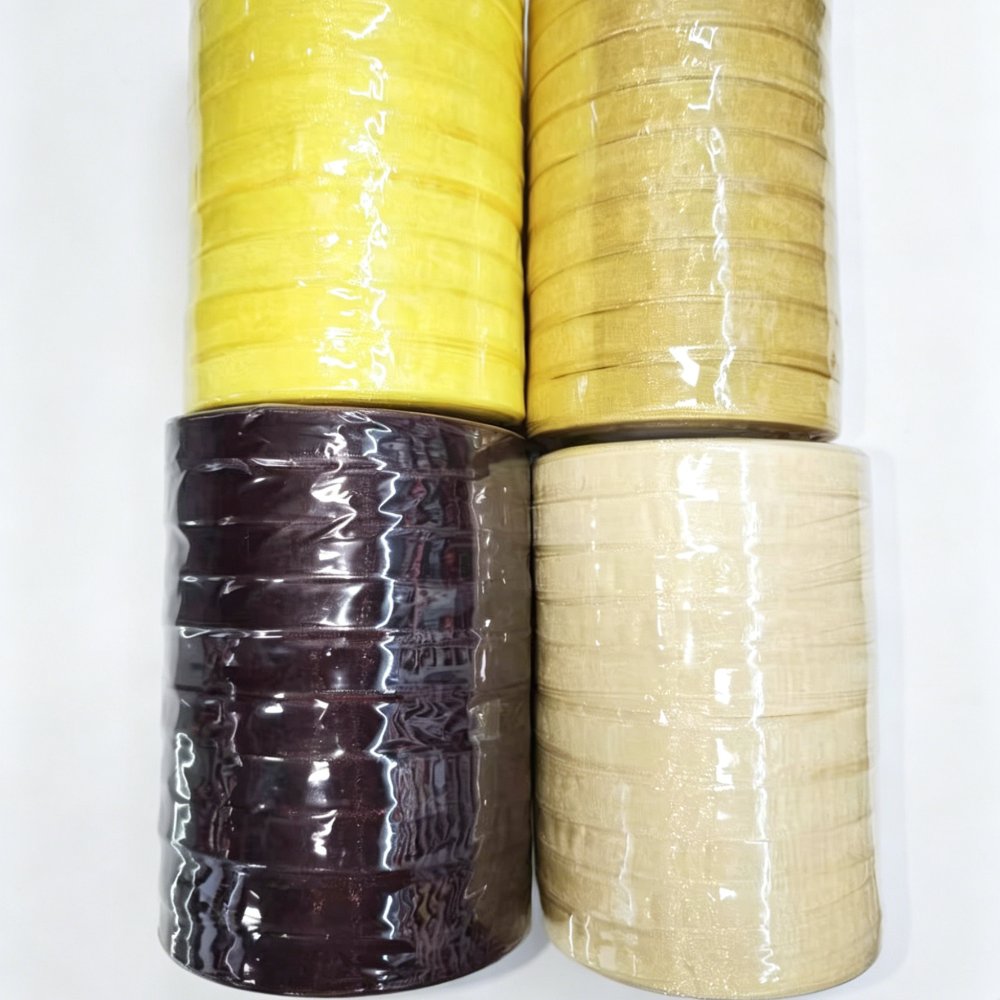
Compare organza ribbon samples by naming the edge construction and showing how that edge appears in the intended decoration. Keep thin-edge, thick-edge and satin-edge references separate, even when the body colour is similar. Ask the supplier to identify each offered version and review a representative assembly. Product names and photographs do not independently establish equivalent dimensions or performance.
A transparent-looking ribbon body can draw attention while its border remains an incomplete purchasing field. The edge may be important to the outline of a loop, the appearance beside another ribbon or the way a decoration is presented. This guide helps buyers compare edge references without turning a visual catalogue difference into an unsupported technical ranking.
Use the catalogue edge names precisely
Enhong lists Thin Edge Organza Ribbon and also offers separately named thick-edge and satin-edge organza options. Keep those names attached to their product references when requesting samples. A message asking for the organza in the picture can lose that distinction when images are forwarded without their original captions or links.
State the decoration the buyer intends to make and identify the edge that will remain visible. Ask the supplier which current version corresponds to each requested reference. Do not assume that an edge name alone confirms a particular measured border width, a wire content or a performance result that has not been supplied for the actual product.
Official catalogue reference: Thin edge organza ribbon.
Keep body colour and border appearance as different fields
Show the chosen body-colour reference and the intended border appearance separately. If the buyer wants to compare similar colours across different edge constructions, ask for clearly labelled samples. This avoids approving an attractive colour sample while leaving uncertainty about which edge treatment will be ordered.
A photograph can help identify the catalogue option, but it is not a substitute for the physical comparison where subtle appearance matters. Use consistent viewing conditions for the buyer review and record which sample was selected. Do not create an exact transparency or colour measurement from the way a ribbon appears on a screen.
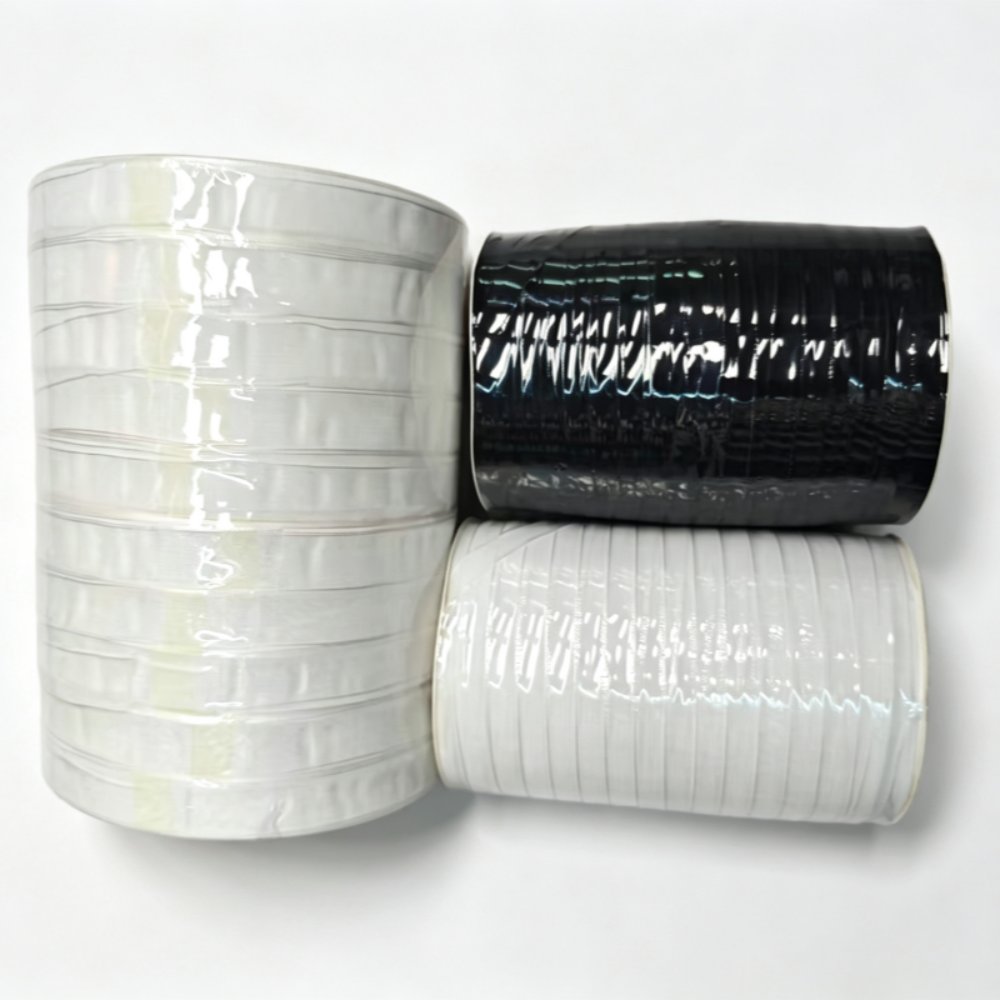
- Keep each edge family on a separate sample line.
- Label body colour and border appearance independently.
- Use one representative arrangement for comparison.
- Save the selected assembly with the product reference.
Compare the edge in the actual folded arrangement
Use the same representative loop, tie or wrapping arrangement for each sample being compared. Identify which parts of the border become prominent and which are hidden by the fold. A flat strip and a completed decoration answer different visual questions, so retain a record of the arrangement used rather than relying on an isolated swatch photograph.
The worksheet is a comparison guide, not a statement that one edge is technically superior. Ask the supplier to confirm any required construction detail. Where the buyer needs a particular finished outline or handling result, describe the desired result and review the actual sample instead of assigning that result automatically to a catalogue adjective.
| Comparison field | Buyer reference | Supplier clarification |
|---|---|---|
| Thin-edge option | Named product and labelled sample | Current supplied edge construction |
| Thick-edge option | Separate product and sample identity | How the offered edge is described |
| Satin-edge option | Border appearance reference | Actual edge and body combination |
| Final decoration | Identical comparison arrangement | Any qualification affecting the selected version |
Record observations without inventing an edge specification
Photograph the compared assemblies and label each image with its sample identity. Describe the visible difference in straightforward terms, such as the border appearance at a loop or the contrast beside a second material. Keep the statement limited to the sample and arrangement actually reviewed. Do not describe an unperformed strength or fraying test as part of that observation.
If a comparison leaves an unanswered construction question, send that question back to the supplier with the relevant photograph. A request about border material is different from a request about the visible finish. Keep the reply next to the question so procurement can see whether the proposed version has been confirmed or still needs a decision.
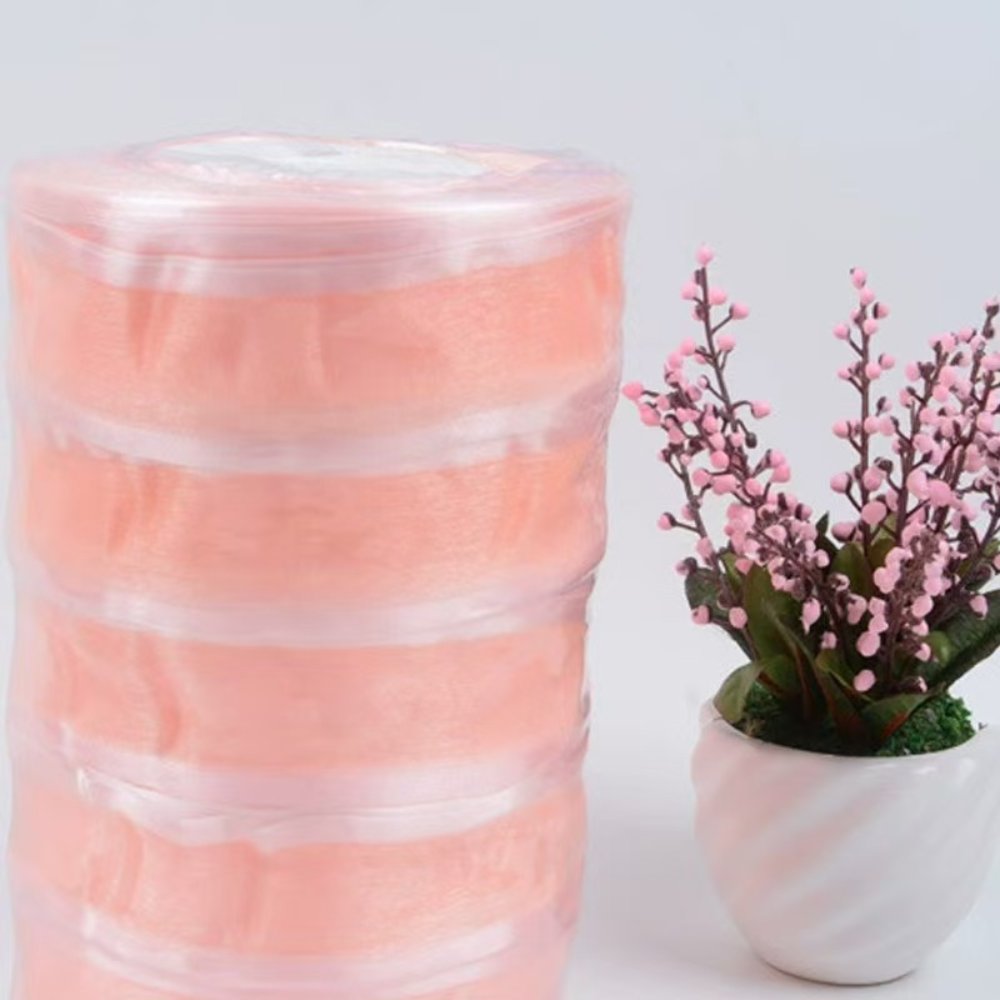
Retain the selected edge and assembly as one reference
Once an option is accepted, save the sample, its catalogue reference and the assembled-view record together. State which alternatives were compared and which was chosen. This prevents a later order from switching edge families because a replacement photograph has a similar body colour or an abbreviated product name.
Review the decision when the decoration changes. A larger loop or a different adjoining material may expose the border differently, even when the supplied ribbon is unchanged. A new visual review should be recorded as a new decision rather than a claim that the earlier sample was wrong. Keep commercial and technical confirmations tied to the current version being requested.
Frequently Asked Questions
Does thick edge mean a particular border measurement?
Do not infer a number from the catalogue name. Ask the supplier to confirm the relevant construction and any required dimensions.
Can the same colour replace a different edge family?
Colour and edge treatment are separate purchasing decisions. Review the proposed alternative before accepting it as the same decoration reference.
Should a loop photograph replace the loose sample?
Keep both when possible. The loose strip identifies the supplied version, while the assembly records how it appeared in the intended arrangement.
For a product-specific enquiry, Thin edge organza ribbon is the catalogue starting point. Read the supplier blog and contact the supplier with the references and open questions described above.